


Why Modern Manufacturers Are Pairing Demand Forecasting with On-Demand and Nearshored Production
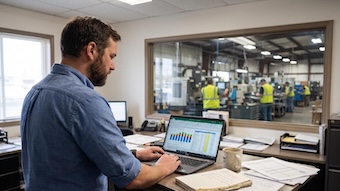
A production planner reviews real-time demand data alongside active manufacturing output.
A production planner reviews real-time demand data alongside active manufacturing output.
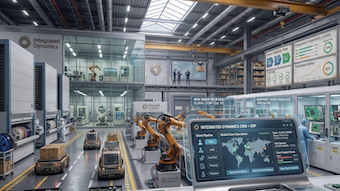
Choosing a CRM for your manufacturing business comes down to six things: multi-contact account management, pipeline stages that match your quote-to-order cycle, order history visibility, real-time ERP or accounting integration, workflow automation, and customizable fields.
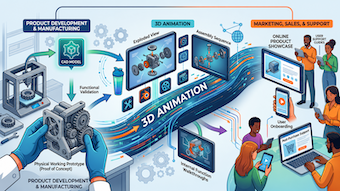
A working prototype answers one question conclusively: can this product exist? Hold the 3D-printed sample, watch the mechanism actually move, confirm the parts fit — the proof is in your hand.

Legacy systems rarely fail loudly. They limp along for years, then collapse during a Black Friday traffic spike or a regulatory audit — the worst possible moment. By 2026, "modernization" stopped being a slide in someone's strategy deck and became a survival question.
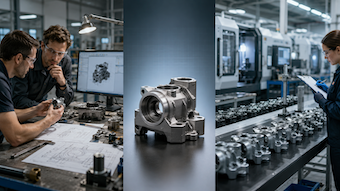
Moving from prototype to production is the process of turning a tested idea into a repeatable, cost-controlled, and quality-approved manufacturing workflow. A prototype can look convincing and still fail when hundreds or thousands of parts need to be made consistently.

Take a stroll through any trade show hall these days and it will be obvious that boring banners don't capture attention. Stoppers visit bright, clean, easy-to-explore booths.
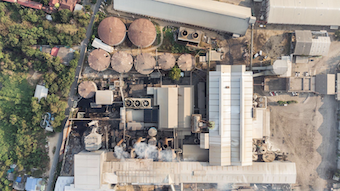
Pouring capital into a new manufacturing workshop is a massive gamble. You can buy state-of-the-art machinery and hire top engineers, but if you break ground in a geographically flawed location, your profit margins will bleed out.
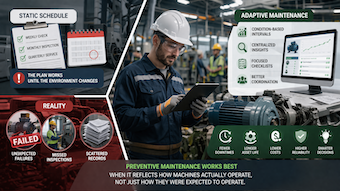
Most manufacturing leaders agree that preventive maintenance is essential. Schedules must be created in advance, checklists distributed, and inspection routines completed on time. On paper, everything looks well-structured and foolproof.
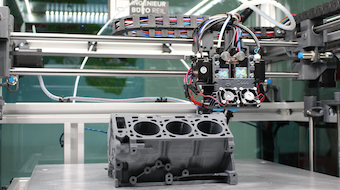
You have a fun project! That is cool and everything, but still you have to decide on materials. You may be a million miles from fun, and doing something very responsible at work. Anyway, one of the most weighty decisions in the whole process of production is a choice of a 3D printing material.
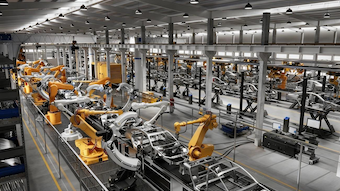
Manufacturing efficiency is under greater pressure than ever. Experts estimate that 2.1 million manufacturing roles could remain unfilled worldwide by 2030, and many production lines are already feeling the strain. Fewer skilled workers mean heavier workloads, slower output, and growing challenges on the factory floor.
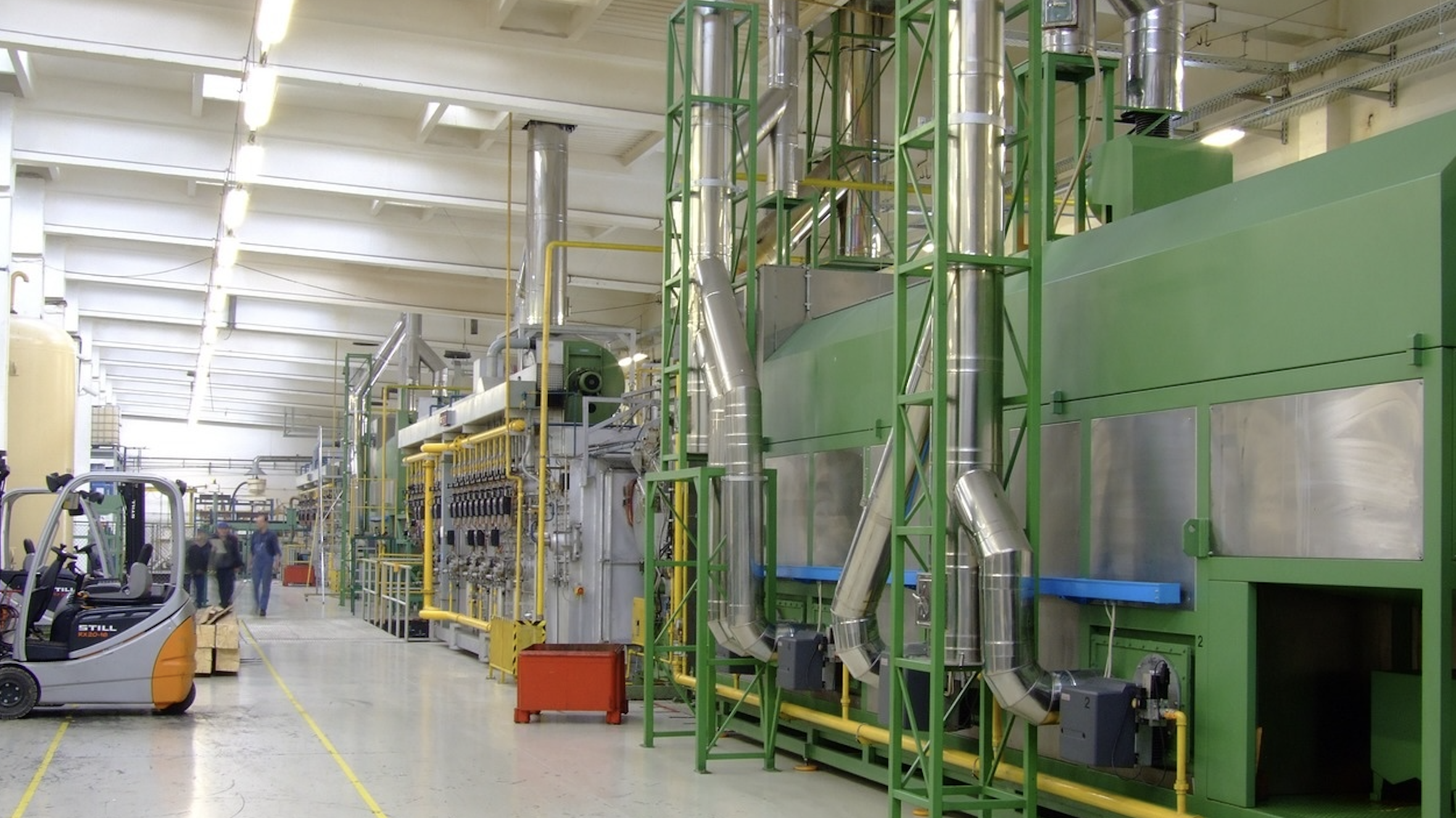
As manufacturing grows more complex, delays, inventory issues, and inconsistent handling can disrupt even the most well-planned operations. To keep pace, logistics systems must become as precise and scalable as the production lines they support. Thus, below, we discuss how durable packaging and custom cutting ensure more efficient logistics in high-volume environments.
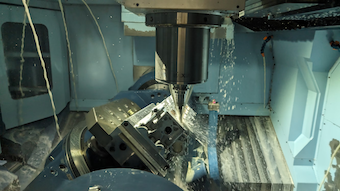
In the intricate world of manufacturing, inefficiencies can be costly. A McKinsey analysis highlights that between 13% and 19% of logistics costs stem from inefficient interactions during handovers between different parties in the supply chain. These "blind handoffs" often lead to miscommunication, delays, and increased expenses.